Books
Yoshiko Okuyama is the author of several groundbreaking books that explore the intersections of culture, media, and disability in Japan. Her works include Tōjisha Manga: Japan’s Graphic Memoirs of Brain and Mental Health, which examines self-representational comics by people with lived experiences of disability; Reframing Disability in Manga, a pioneering study of how Japanese comics portray mental and physical difference; and Japanese Mythology in Film, which decodes mythological symbols in Japanese cinema and anime through a semiotic lens. Together, her books offer rich, interdisciplinary insights into how storytelling shapes cultural understanding.
August 31, 2022
Tojisha Manga: Japan’s Graphic Memoirs of Brain and Mental Health
by Yoshiko Okuyama
This book defines tōjisha manga as Japan’s autobiographical comics in which the author recounts the experience of a mental or neurological condition in a unique medium of text and image. Yoshiko Okuyama argues that tōjisha manga illuminate otherwise “faceless” individuals and humanize their invisible tribulations because the first-person narrative makes their lived experience more authentic and relatable to the reader. Part I introduces the evolution of the term tōjisha, the tōjisha movements, and other relevant social phenomena and concepts. Part II analyzes five representative titles to demonstrate the humanizing power of tōjisha manga, drawing on interviews with the authors of these manga and examining how psychological or brain-related symptoms are artistically depicted in approximately 40 drawings. This book is highly recommended to not only scholars of disability studies and comic studies but also global fans of manga who are interested in the graphic memoirs of serious social issues.

February 28, 2021
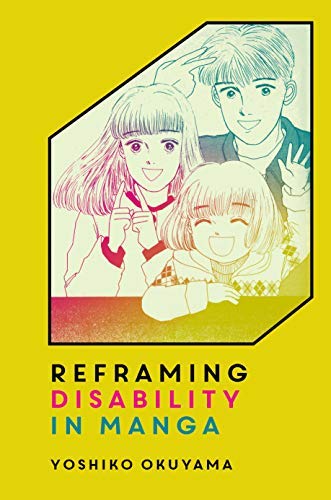
Reframing Disability in Manga
by Yoshiko Okuyama
Reframing Disability in Manga analyzes popular Japanese manga published from the 1990s to the present that portray the everyday lives of adults and children with disabilities in an ableist society. It focuses on five representative conditions currently classified as shōgai (disabilities) in Japan―deafness, blindness, paraplegia, autism, and gender identity disorder―and explores the complexities and sociocultural issues surrounding each. Author Yoshiko Okuyama begins by looking at preindustrial understandings of difference in Japanese myths and legends before moving on to an overview of contemporary representations of disability in popular culture, uncovering sociohistorical attitudes toward the physically, neurologically, or intellectually marked Other. She critiques how characters with disabilities have been represented in mass media, which has reinforced ableism in society and negatively influenced our understanding of human diversity in the past.
Okuyama then presents fifteen case studies, each centered on a manga or manga series, that showcase how careful depictions of such characters as differently abled, rather than disabled or impaired, can influence cultural constructions of shōgai and promote social change. Informed by numerous interviews with manga authors and disability activists, Okuyama reveals positive messages of diversity embedded in manga and argues that greater awareness of disability in Japan in the last two decades is due in part to the popularity of these works, the accessibility of the medium, and the authentic stories they tell.
Scholars and students in disability studies will find this book an invaluable resource as well as those with interests in Japanese cultural and media studies in general and manga and queer narrative and anti-normative discourse in Japan in particular.
November 14, 2016
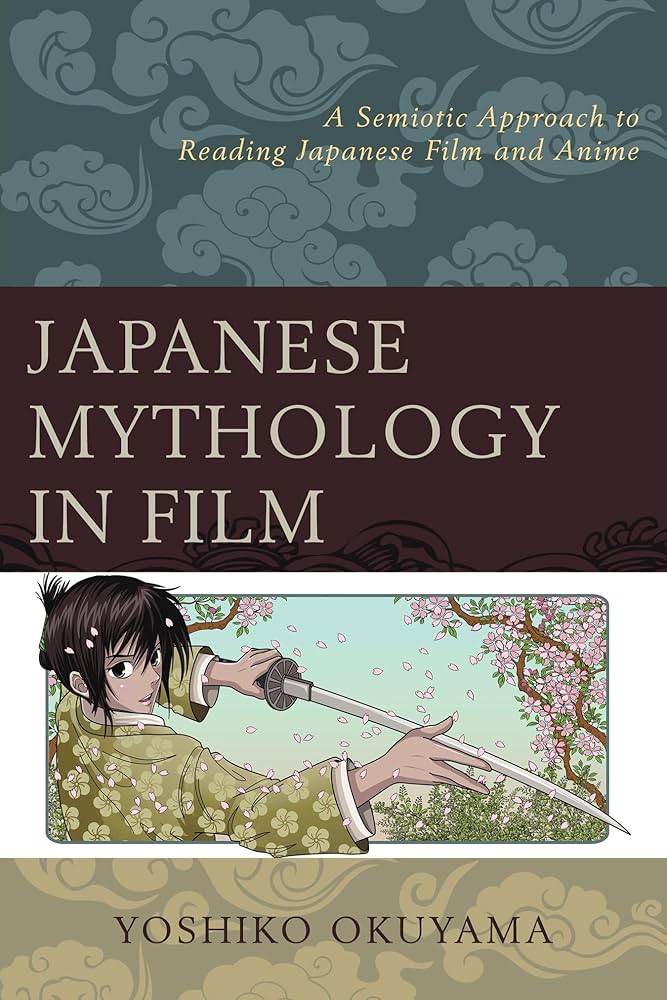
Japanese Mythology In Film
By Yoshiko Okuyama
A cyborg detective hunts for a malfunctioning sex doll that turns itself into a killing machine. A Heian-era Taoist slays evil spirits with magic spells from yin-yang philosophy. A young mortician carefully prepares bodies for their journey to the afterlife. A teenage girl drinks a cup of life-giving sake, not knowing its irreversible transformative power. These are scenes from the visually enticing, spiritually eclectic media of Japanese movies and anime. The narratives of courageous heroes and heroines and the myths and legends of deities and their abodes are not just recurring motifs of the cinematic fantasy world. They are pop culture’s representations of sacred subtexts in Japan. Japanese Mythology in Film takes a semiotic approach to uncovering such religious and folkloric tropes and subtexts embedded in popular Japanese movies and anime.
Part I introduces film semiotics with plain definitions of terminology. Through familiar cinematic examples, it emphasizes the myth-making nature of modern-day film and argues that semiotics can be used as a theoretical tool for reading film. Part II presents case studies of eight popular Japanese films as models of semiotic analysis. While discussing each film’s use of common mythological motifs such as death and rebirth, its case study also unveils more covert cultural signifiers and folktale motifs, including jizo (a savior of sentient beings) and kori (bewitching foxes and raccoon dogs), hidden in the Japanese filmic text.
 Yoshiko Okuyama